
How Coworking Technology Is Transforming Modern Workspaces
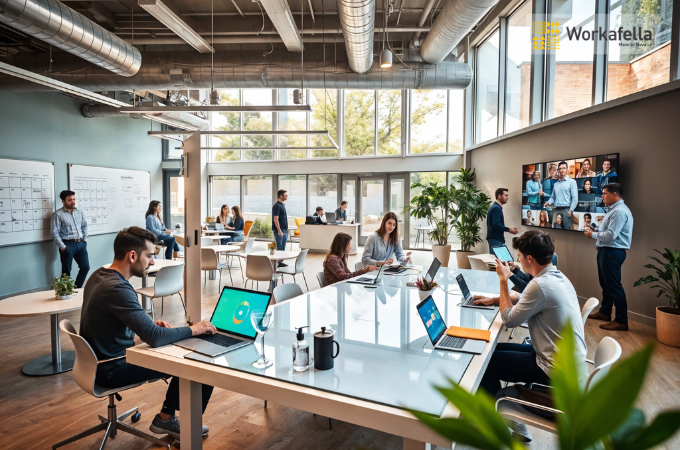
Coworking spaces have evolved far beyond shared desks and fast Wi-Fi. As flexible work becomes the norm for startups, freelancers, and even large enterprises, coworking technology has emerged as the backbone that powers smooth operations, better member experiences, and scalable growth. Today’s successful coworking spaces rely heavily on smart technology to manage everything from access control to billing, communication, and community engagement.
At its core, coworking technology refers to the digital tools and systems that help operators manage spaces efficiently while providing members with a seamless, professional work environment. As competition increases and member expectations rise, technology is no longer optional—it’s a strategic necessity.
The Role of Technology in Modern Coworking Spaces
Modern coworking spaces operate like small ecosystems. They handle memberships, meeting room bookings, internet usage, access permissions, events, payments, and support requests all at once. Without the right technology, managing these moving parts can quickly become overwhelming.
Coworking management platforms allow operators to centralize operations. Instead of juggling spreadsheets, manual invoices, and email threads, space managers can automate daily tasks, reduce errors, and focus more on building community. For members, this translates into faster onboarding, transparent billing, and a smoother overall experience.
Technology also enables coworking spaces to maintain consistency across multiple locations. Whether a brand operates one space or twenty, digital systems ensure that processes remain standardized while still allowing room for customization.
Smart Access and Security Systems
One of the most visible applications of coworking technology is smart access control. Traditional keys are being replaced by mobile apps, key cards, or biometric access systems. These solutions allow members to enter the space securely, even outside regular business hours.
From an operational perspective, smart access systems reduce administrative work. Access can be granted or revoked instantly, memberships can be linked to permissions, and usage data can be tracked in real time. This level of control not only enhances security but also improves accountability and space utilization.
Automation and Operational Efficiency
Automation is transforming how coworking spaces are managed on a day-to-day basis. Tasks such as membership renewals, invoice generation, late payment reminders, and resource allocation can now run automatically.
For example, when a member books a meeting room through an app, the system can automatically update availability, send confirmations, and apply the correct charges. This reduces manual intervention and ensures accuracy. Over time, automation leads to significant cost savings and allows teams to operate leaner without compromising service quality.
Data-Driven Decision Making
Coworking technology provides access to valuable data that was previously difficult to capture. Operators can track desk occupancy, peak usage hours, membership growth, churn rates, and revenue trends. These insights help managers make informed decisions about pricing, space expansion, and service improvements.
Data also plays a key role in improving member satisfaction. By understanding how members use the space, operators can tailor offerings, introduce relevant amenities, and design layouts that better suit actual needs rather than assumptions.
Enhancing the Member Experience
The success of a coworking space depends largely on how members feel about working there. Technology plays a crucial role in shaping this experience. Member portals and mobile apps allow users to manage their profiles, book resources, pay invoices, and communicate with the community from a single interface.
Digital communication tools make it easier to announce events, share updates, and encourage networking. Some platforms even include community features that help members connect based on interests, industries, or projects. This strengthens engagement and reinforces the sense of belonging that coworking spaces are known for.
Scalability Through Technology
As coworking brands grow, scaling operations without losing quality becomes a challenge. Technology makes scalability possible. Cloud-based systems allow operators to add new locations, onboard members, and manage teams without duplicating effort.
Standardized workflows ensure that each new space follows the same operational model while still allowing flexibility for local customization. This consistency builds trust with members and helps brands maintain a strong reputation as they expand.
Integration With Other Business Tools
Another key advantage of modern coworking technology is integration. Many coworking platforms connect seamlessly with accounting software, CRM tools, payment gateways, and marketing systems. This creates a unified ecosystem where data flows smoothly between departments.
Integrations reduce duplication, minimize errors, and provide a clearer financial and operational picture. For example, billing data can sync directly with accounting software, saving time during reconciliation and reporting.
The Future of Coworking Technology
As technology continues to evolve, coworking spaces are likely to adopt more advanced solutions such as artificial intelligence, predictive analytics, and Internet of Things (IoT) devices. These innovations could further optimize energy usage, personalize member experiences, and improve space efficiency.
Ultimately, coworking technology will continue to shape how flexible workspaces operate, compete, and grow. Spaces that invest in the right tools today will be better positioned to meet future demands and stand out in an increasingly crowded market.
FAQs
Q1: Why is coworking technology important for space operators?
Coworking technology helps operators streamline operations, reduce manual work, improve member satisfaction, and make data-driven decisions that support long-term growth.
Q2: Can small coworking spaces benefit from coworking technology?
Yes, even small coworking spaces benefit greatly. Technology helps them operate efficiently, appear more professional, and compete effectively with larger brands.