
From Informal Markets to Digital Networks: The Rise of the P2P Trading Platform
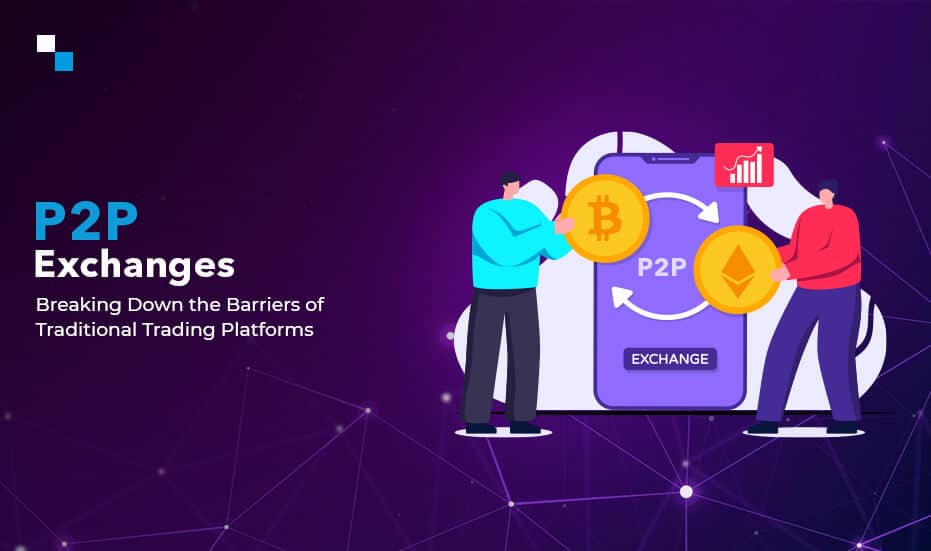
Trade is one of humanity’s oldest activities, beginning long before banks, stock exchanges, or digital apps. Farmers once bartered grain for tools, artisans swapped pottery for cloth, and merchants carried goods across continents on trade routes. These exchanges were personal, direct, and peer-to-peer in nature. In many ways, the P2P trading platform of today is a digital continuation of that ancient tradition — enhanced with technology, global connectivity, and advanced security. Its rise represents a full-circle return to direct exchange, reinvented for the modern world.
The Roots of Peer-to-Peer Trading
Informal markets have always been the backbone of local economies. Whether in village squares, street bazaars, or community fairs, people trusted personal relationships and reputation to ensure fair trade. No central authority oversaw these deals; trust was earned through repeated interaction. The modern P2P trading platform replicates this trust-based system with ratings, escrow, and digital verification, but it removes the limitations of geography. What was once confined to a marketplace in one town is now global in scale.
The Rise of Institutions
As societies grew, informal systems could no longer handle the complexity of larger economies. Currency replaced barter, banks emerged to store value, and exchanges formalised trade. These institutions centralised control, creating efficiency but also concentrating power. For centuries, financial life revolved around them. Yet cracks in the system — high fees, limited accessibility, and exclusion of the unbanked — opened the door for alternatives. The P2P trading platform emerged as a corrective force, restoring direct exchange while adding modern safeguards.
Technology as the Enabler
The digital age brought the infrastructure that peer-to-peer systems required to scale. Smartphones, mobile internet, and blockchain technology provided the foundation. A P2P trading platform uses blockchain to ensure transparency and immutability, escrow to secure funds, and mobile apps to make participation accessible from anywhere. These innovations transformed peer-to-peer trading from a nostalgic idea into a practical and powerful system that could rival banks and centralised exchanges.
Globalisation of Local Practices
What makes the rise of these platforms particularly fascinating is how they adapt local practices for global use. In Africa, where mobile money already dominates, peer-to-peer systems integrate seamlessly. In Asia, platforms build on QR codes and real-time payment networks. The P2P trading platform does not impose a single model but absorbs local habits into a connected global network. This ability to bridge tradition with modernity explains much of its rapid adoption.
Trust Reinvented for the Digital Age
Trust has always been the defining challenge of trade. In informal markets, it came from personal familiarity; in modern banking, from regulation and authority. On a P2P trading platform, trust is distributed. Reputation scores replace word-of-mouth. Escrow replaces handshakes. AI monitoring replaces the watchful eye of local elders. These mechanisms reinvent trust in ways that are verifiable, scalable, and suited to global interaction.
Challenges Along the Way
The rise of peer-to-peer trading has not been free of obstacles. Fraud, regulatory uncertainty, and user inexperience remain concerns. But history shows that every stage of trade evolution faced similar issues. Early banks collapsed, currencies were counterfeited, and markets were disrupted. Each time, solutions emerged. The P2P trading platform is following the same trajectory, strengthening through adversity and becoming more resilient with each iteration.
What the Future Holds
Looking forward, peer-to-peer trading may shape not just finance but society itself. Platforms could integrate lending, insurance, and investment into their systems, becoming full-fledged alternatives to banks. The P2P platform may evolve into a hub where individuals manage all aspects of financial life — savings, payments, and global trade — directly. This future would not abandon institutions entirely but redefine their role, placing individuals, not intermediaries, at the centre of financial systems.
The journey from informal markets to digital platforms shows how trade adapts to human needs while harnessing available tools. The P2P trading platform represents both continuity and revolution: continuity in its embrace of direct exchange, and revolution in its use of cutting-edge technology. It is not merely a product of the digital age but the next chapter in a story that began millennia ago in the world’s first marketplaces.