
Powering Heavy Workloads With A High-Performance Wheel Loader
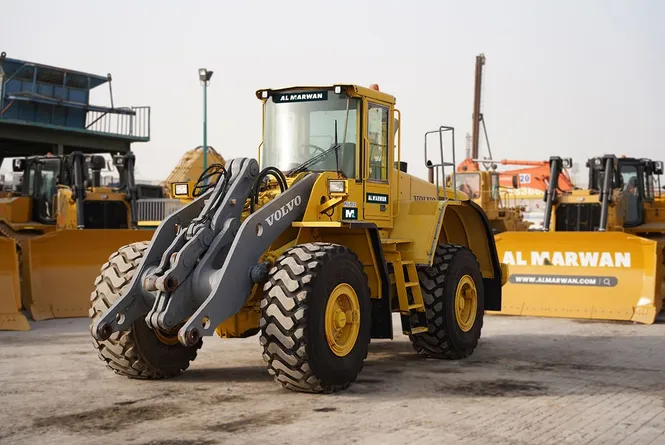
A high-performance wheel loader is one of the most valuable machines on any busy jobsite, offering unmatched strength, versatility, and reliability when heavy workloads need to be handled quickly and safely. This machinery combines strength and accuracy in a way that revolutionizes everyday tasks, from mining and construction to agriculture and material handling. As projects continue to demand faster output and greater efficiency, businesses are increasingly relying on advanced wheel loaders to deliver consistent results even under challenging conditions.
Why Wheel Loaders Remain Essential For Heavy Workloads?
Wheel loaders have long been considered a cornerstone of productive worksites because they combine mobility, load capacity, and efficient fuel usage in one rugged machine. Their ability to lift, carry, and dump large quantities of material makes them indispensable for earthmoving, roadwork, site preparation, stockpile management, and more. Unlike track machines, wheel loaders move quickly across varied surfaces, which allows operators to cycle loads faster and complete tasks in less time. This constant movement, paired with strong hydraulic systems, means a single Volvo L90H wheel loader can often replace multiple machines by handling a wide range of tasks with ease.
The high ground clearance and reinforced frames seen in modern loaders are designed specifically to withstand demanding environments. Whether pushing through gravel, lifting wet soil, or transferring heavy aggregates, these machines are engineered to remain stable and responsive throughout the workday. Their productivity advantage becomes even more noticeable when teams face tight project deadlines or need continuous material movement to keep operations flowing smoothly.
How Advanced Technology Is Enhancing Loader Performance?
The newest generation of wheel loaders is equipped with technologies that significantly improve performance, safety, and operator comfort. These enhancements not only boost daily productivity but also reduce long-term operational costs for businesses.
Many modern machines include intelligent load weighing systems that help operators maintain accuracy when handling materials. This reduces strain on the equipment, prevents overloading, and supports better planning for transport and delivery tasks. In addition, power modes allow the loader to adapt to different terrain and workload types, offering more fuel-efficient performance without sacrificing strength.
Operator comfort is another major area of innovation. Air-suspended seats, improved cabin insulation, intuitive controls, and better visibility help reduce fatigue, which in turn enhances safety and precision. A comfortable operator can maintain consistent output over longer shifts, which contributes significantly to overall job-site productivity.
Telematics has also become a game-changer. Fleet managers can now monitor performance, track idle time, schedule maintenance, and identify potential issues before they turn into costly repairs. This proactive approach maximizes uptime and keeps machines running at peak capacity across busy work cycles.
Versatility Through Attachments And Adaptable Configurations
One of the features that sets high-performance wheel loaders apart is their ability to adapt. Attachments such as buckets, forks, grapples, and blades allow the machine to transition from loading to grading, lifting, sorting, or clearing debris. This versatility gives businesses more value from a single piece of equipment while eliminating the need for multiple specialized machines.
Different boom configurations, tire options, and drivetrain setups further expand the loader’s capabilities. Whether the job requires rapid load cycles, smooth travel on paved surfaces, or a powerful digging force, a properly configured wheel loader can handle the task. This adaptability is especially valuable on mixed-use jobsites where materials and terrain vary throughout the day.
Maintenance Practices That Keep Wheel Loaders Performing Strongly
To keep a wheel loader delivering high performance under heavy workloads, regular maintenance is essential. Clean hydraulic systems, proper lubrication, and timely inspections of tires, seals, and joints help ensure safe and efficient operation. Preventive maintenance reduces unexpected downtime and preserves fuel efficiency, which is critical when handling high-intensity work.
Modern machines make this easier by incorporating diagnostic tools, onboard displays, and telematics-based alerts. These tools guide technicians and operators in identifying wear patterns, scheduling service intervals, and maintaining component health. With proper care, a wheel loader can operate for many years while maintaining the strength and reliability needed for demanding tasks.
The Ongoing Importance Of High-Performance Wheel Loaders
As project timelines tighten and workloads grow heavier, the importance of reliable, high-performance wheel loaders continues to increase. Their ability to move substantial materials quickly, operate efficiently, adapt to different job requirements, and withstand constant use makes them a critical asset for companies in multiple sectors. With innovations in technology and machine design offering even greater capabilities, wheel loaders are set to remain a driving force behind successful, high-output operations for years to come.